Conjuguer le verbe TO BE à tous les temps de l'indicatif - Conjugaison anglaise
Sommaire
Dans le cours d’anglais d’aujourd’hui, il n’est pas question de grammaire anglaise ou encore de vocabulaire. Nous allons tous simplement faire un petit rappel sur la conjugaison et principalement, la conjugaison anglaise du verbe TO BE aux temps de l’indicatif.
Participe présent ou gérondif (present participle ou gerund en anglais) du verbe to be : being
Participe passé (past participle en anglais) du verbe to be : been
Pour l’exemple, nous allons traduire “to be funny” (être drôle) sous toutes ses formes ^^
Les temps de l’indicatif en anglais
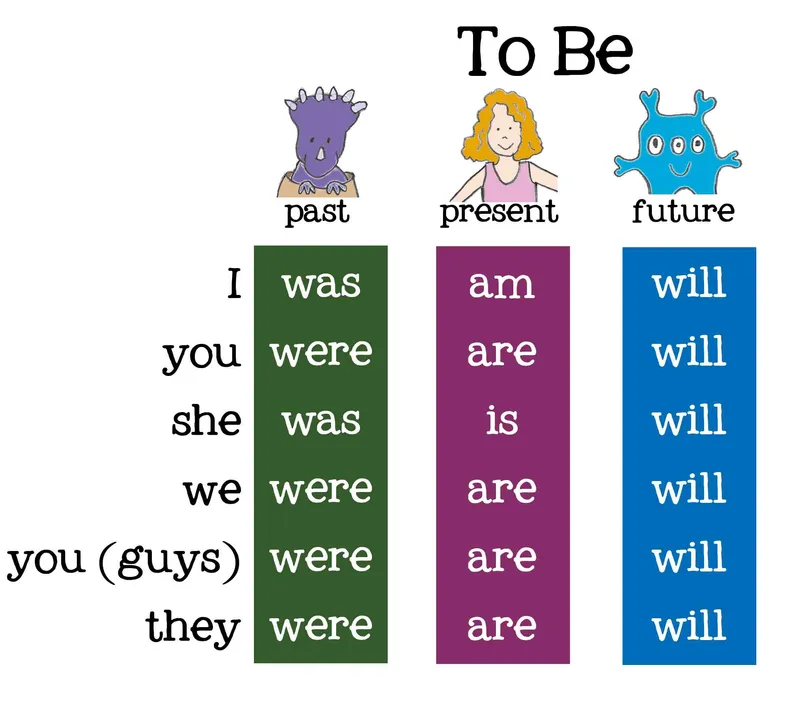
Le présent simple de l’indicatif / Present simple
Forme affirmative
Forme négative | Forme interrogative
I am funny
- You are funny
- He/She is funny
- We are funny
- They are funny
- I am not funny
- You are not funny
- He/She is not funny
- We are not funny
- They are not funny
- Am I funny?
- Are you funny?
- Is he/she funny?
- Are we funny?
- Are they funny?
Le passé simple ou prétérit / Past simple
Forme affirmative
Forme négative | Forme interrogative
I was funny
- You were funny
- He/She was funny
- We were funny
- They were funny
- I was not funny
- You were not funny
- He/She was not funny
- We were not funny
- They were not funny
- Was I funny?
- Were you funny?
- Was he/she funny?
- Were we funny?
- Were they funny?
Le présent perfect / Present perfect
Attention a ne pas confondre le present perfect avec le passé composé, ce sont deux temps complètement différent, notamment dans l’utilisation.
Le présent perfect est composé du verbe “to have” conjuguer au présent et du participe passé de “to be” : been.
Forme affirmative
Forme négative | Forme interrogative
I have been funny
- You have been funny
- He/She has been funny
- We have been funny
- They have been funny
- I have not been funny
- You have not been funny
- He/She has not been funny
- We have not been funny
- They have not been funny
- Have I been funny?
- Have you been funny?
- Has he/she been funny?
- Have we been funny?
- Have they been funny?
Le past perfect ou pluperfect
Le past perfect aussi appelé le pluperfect est composé du verbe “to have” (had) conjugué au passé simple et du participe passé du verbe “to be” : been.
Forme affirmative
Forme négative | Forme interrogative
I had been funny
- You had been funny
- He/She had been funny
- We had been funny
- They had been funny
- I had not been funny
- You had not been funny
- He/She had not been funny
- We had not been funny
- They had not been funny
- Had I been funny?
- Had you been funny?
- Had he/she been funny?
- Had we been funny?
- Had they been funny?
Le Futur
Le futur en anglais est composé de “WILL” et du verbe “be” (sans le “to”). C’est très facile car c’est la même chose à toutes les personnes
Forme affirmative
Forme négative | Forme interrogative
I will be funny
- You will be funny
- He/She will be funny
- We will be funny
- They will be funny
- I will not be funny
- You will not be funny
- He/She will not be funny
- We will not be funny
- They will not be funny
- Will I be funny?
- Will you be funny?
- Will he/she be funny?
- Will we be funny?
- Will they be funny?
Le futur perfect
Forme affirmative
Forme négative | Forme interrogative
I will have been funny
- You will have been funny
- He/She will have been funny
- We will have been funny
- They will have been funny
- I will have not been funny
- You will have not been funny
- He/She will have not been funny
- We will have not been funny
- They will have not been funny
- Will I have been funny?
- Will you have been funny?
- Will he/she have been funny?
- Will we have been funny?
- Will they have been funny?
A la place de “I will have not been”, on aurait aussi pu dire “I will not have been”.
Pour aller plus loin
- Grammaire anglaise — toutes nos ressources sur ce theme
- Le verbe Être en anglais
- Le verbe avoir en anglais (to have)
- La conjugaison anglaise - Cours d’anglais de base
- Comprendre et utiliser le present perfect en anglais
- Peut-on toujours remplacer TO BE et TO
- Différence entre USED TO, BE USED TO
- Tableau de conjugaison anglaise : tous les
Questions fréquentes
Comment utiliser to be en anglais ?
Quelle est la règle de grammaire pour to be ?
Quelles sont les erreurs courantes avec to be ?
À propos de l'auteur

Blog d'apprentissage de l'anglais pour francophones — vocabulaire, grammaire, expressions et conseils depuis 2012.